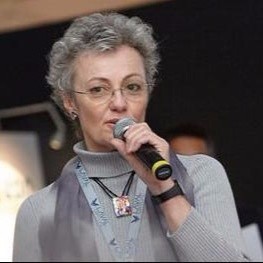
Diana Soeiro
Country
Portugal
Fellow's country
Open Call Topics
Impact on SMEs (8th Open Call)
The contribution directly impacts European societies and SMEs by helping develop standards that promote healthier, more sustainable, and inclusive urban environments. These standards support cities in improving well-being, resilience, and equitable access to services—key factors for vibrant communities and local economies. For SMEs, clearer guidelines on sustainability and smart urban solutions create opportunities for innovation, market access, and competitiveness within Europe. By fostering alignment between global best practices and local needs, the work helps European stakeholders adapt to evolving challenges in urban development and public health.
Impact on society (8th Open Call)
By promoting interoperability and scalable health and well-being indicators, this initiative advances inclusive, data-driven solutions for sustainable urban development. I contribute extensively by providing guidance on integrating existing management system elements and concerns with technology—particularly emphasizing digital health and IoT integration—to promote health and well-being effectively within urban management systems.
Linkedin Profile
Organisation type
Organization
Instituto Português de Qualidade - IPQ
Organization website
Portrait Picture

Proposal Title (8th Open Call)
Global Health and Wellbeing Standard for Sustainable Cities: Integrating Digital Health
Standards Development Organisation
StandICT.eu Year
2029
Year
Topic (8th Open Call)