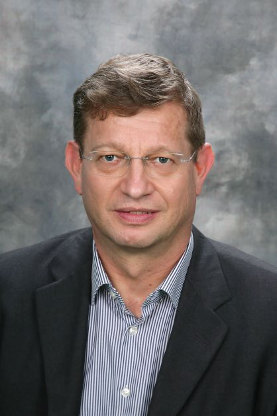
Description of Activities
There is a strong emphasis on safety, accessibility, energy & environment and highly relevant for the future ISO/TC 178 activities are also focusing now to a strong extent on ICT.
Impact on SMEs (3rd Open Call)
ISO/TC 178 has a liaison to:
- ELA European Lift Association
- SBS - Small Business Standards with EFESME (European Federation for Elevator Small and Medium-sized Enterprises aisbl) as an expert member for lifts.
Both associations are highly interested in this topic and with this liaison they participate actively at the ISO/TC 178 meetings as well as at the relevant WG meetings.
Chairing the meeting and giving them also relevant time in the meetings to talk and bring up their issues is essential for them; this is under my responsibility and highly considered within my leadership.
Impact on SMEs (4th Open Call)
ISO/TC 178 has a liaison to:
- ELA European Lift Association
- SBS - Small Business Standards with EFESME (European Federation for Elevator Small and Medium-sized Enterprises aisbl) as an expert member for lifts.
Both associations are highly interested in this topic and with this liaison they participate actively at the ISO/TC 178 meetings as well as at the relevant WG meetings.
Chairing the meeting and giving them also relevant time in the meetings to talk and bring up their issues is essential for them; this is under my responsibility and highly considered within my leadership.
Impact on SMEs (7th Open Call)
ISO/TC 178 maintains liaisons with:
The European Lift Association (ELA)
Small Business Standards (SBS), with EFESME (European Federation for Elevator Small and Medium-sized Enterprises aisbl) participating as an expert member for lifts.
Both organisations are deeply engaged in this field and actively contribute to ISO/TC 178 and its relevant working group (WG) meetings through these liaisons.
Impact on SMEs (9th Open Call)
ISO/TC 178 actively engages with European SMEs through formal liaisons with the European Lift Association (ELA) and SBS–Small Business Standards, where EFESME represents SME interests. Both organizations participate directly in ISO/TC 178 and working group meetings, especially on ICT-related topics.
As Chair, I ensure their input is given sufficient time and weight, allowing SMEs to raise concerns and contribute to shaping standards — even when this means balancing strong positions from larger companies. This inclusive governance ensures that standards reflect the realities of both major manufacturers and smaller industry players.
Impact on society (3rd Open Call)
Lifts, escalators and moving walks are essential elements for the transportation of society.
With this work safe access and accessibility for all is provided. Furthermore, this work encompasses energy efficiency and adherence to the United Nations’ sustainability goals namely 7, 8, 9, 10, 11, 12, and 13 which are integral components of the standards.
Impact on society (4th Open Call)
Lifts, escalators and moving walks are essential elements for the transportation of society. With this work safe access and accessibility for all is provided. Furthermore, this work encompasses energy efficiency and adherence to the United Nations' sustainability goals namely 7, 8, 9, 10, 11, 12, and 13 which are integral components of the standards.
Impact on society (7th Open Call)
Until 2022, the lift and escalator industry lacked dedicated ICT standards—aside from those addressing cybersecurity. Initially, the approach within ISO and CEN was to integrate all relevant topics directly into the core product standards, often referred to as the "product bible": ISO 8100-1/2 and ISO 8103-1. Notably, ISO 8103-1 was published at the end of 2024 as a new global escalator standard, mirroring the European EN 115-1 requirements. This marked a major milestone for the industry, as it was the first time that European safety standards for escalators and moving walks would be applied globally.
As the field evolved and specific topics became increasingly complex, supplementary standards were introduced to support and expand upon the core documents.
It soon became apparent that ICT, due to its rapid advancement, remained insufficiently covered. In response, a strategic initiative was launched to assess the situation, define a roadmap for the future, and close this gap. Developing new standards and technical specifications in this area is now a top priority (further details in the following chapters).
At the same time, the core product standards must continue to be maintained, with general ICT aspects gradually integrated into them.
Another major challenge faced by ISO/TC 178 and the global lift and escalator sector is the current dynamic in China. The country is rapidly developing its local standards, with significantly shorter release timelines and fewer stakeholders involved compared to the ISO and CEN processes. This highlights the critical need for SAC to remain actively engaged in ISO and to adopt ISO standards as national standards. To address this, additional partnerships have been formed, and regular exchange meetings are held to ensure the highest possible level of influence and alignment.
Impact on society (9th Open Call)
Lifts, escalators, and moving walks are vital for ensuring safe and efficient access to buildings. Globally, there are over 18 million lifts and escalators in operation, with nearly half located in Europe. Each year, more than 1 million new units are installed. Approximately 325 million passengers use lifts daily, while escalators and moving walks support over 10 billion rides every day.
In the coming decades, the population aged 65 and above is projected to grow by nearly 33%, with those over 80 doubling in number. As the global population ages, accessibility becomes increasingly critical. Multi-floor buildings will require vertical transportation systems, including lifts, escalators, stair lifts, and platform lifts, to accommodate the growing demand for accessible infrastructure.
As essential components of building functionality, lifts, escalators, and moving walks are classified as modes of transport. They ensure safe access for all and are designed for free and independent use by passengers. This underscores the importance of robust safety measures to protect users.
By establishing harmonized safety and performance standards, these efforts support the development of resilient, accessible, and low-impact urban environments that are better prepared for demographic and environmental change.
Organization
Prof. Mechanical Engineering (HTL St. Pölten) and Independent Consultant, Gschwendt
Proposal Title (3rd Open Call)
Lifts and Escalators in Smart Cities
Proposal Title (4th Open Call)
Lifts and Escalators in Smart Cities
Proposal Title (7th Open Call)
Lifts and Escalators in Smart Cities
Proposal Title (9th Open Call)
Lifts and Escalators in Smart Cities
Standards Development Organisation