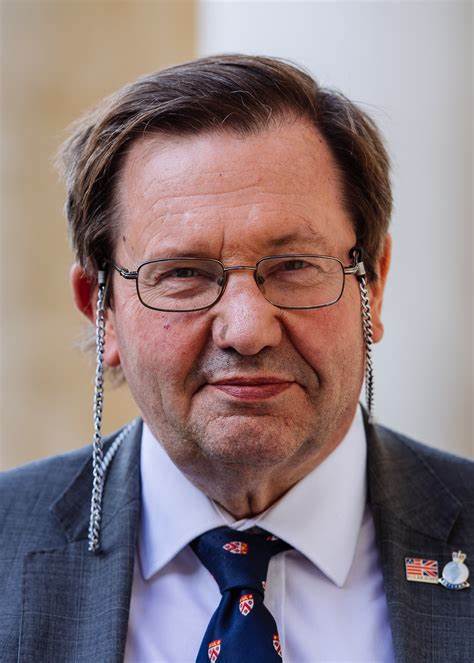
Agnieszka Rządkowska
Description of Activities
By optimising design, production, deployment and operation of PV, AI can maximise energy generation, leading to increased renewable energy adoption, reducing reliance on fossil fuels.
Country
Belgium
Fellow's country
Open Call Topics
Impact on SMEs (6th Open Call)
The smart energy is currently not only an important market trend of a dynamic growth and rapid technological development, but also a central axis in the EU's Green Deal strategy joining ICT and energy sectors as main pillars for the EU development facing serious energy challenges. Furthermore the green transformation is currently considered to be an important aspect of the European energy security, especially in view of the international situation, the Russian invasion on Ukraine and the scaling energy crisis concerning hydrocarbons. In regard to these challenges the European Commission strategically plans to secure advancing renewable energy technologies further enabled by ICT and a leading global position of the EU in smart energy, transforming the global warming and the international situation challanges into a growth opportunity for EU SMEs driving European innovation with a focus on smart energy. Action's efforts in driving international smart PV standardisation supports EU SMEs.
Impact on SMEs (9th Open Call)
The smart energy is currently not only an important market trend of a dynamic growth and rapid technological development, but also a central axis in the EU's Green Deal strategy joining ICT and energy sectors as main pillars for the EU development facing serious energy challenges. Furthermore, the green transformation is currently considered to be an important aspect of the European energy security, especially in view of the international situation, the Russian invasion on Ukraine and the threat of an energy crisis concerning the hydrocarbons. In regard to these challenges the European Commission plans to secure advancing renewable energy technologies further enabled by ICT and ensure a leading global position of the EU in smart energy, transforming the global warming and international situation challenges into a growth opportunity for EU SMEs driving European innovation with a focus on smart energy. Hence the project implemented international standardisation efforts support EU SMEs.
Impact on society (6th Open Call)
Extending AI enabled PV concepts, systems definitions, architectures, use cases and technical specifications of processes and devices under the EITCI SESG (Smart Energy Standards Group hosted under EITCI Institute) AIPV WG, as well as in a dissemination combined with seeking a liason in cooperation with experts joining the CENELEC / IEC-TC CLC/TC-82 (Solar photovoltaic energy systems) and the CLC/TC-57 (Power systems management and associated information exchange) for power systems control equipment and systems including EMS (Energy Management Systems) and SCADA (Supervisory Control And Data Acquisition).
Impact on society (9th Open Call)
AI assisted smart PV systems enhance efficiency and performance of solar energy. By optimizing design, production, deployment and operation of PV, AI can maximize energy generation, leading to increased renewable energy adoption, reducing reliance on fossil fuels. This is especially important in the context of the challenging international situatio, as well as helps mitigate the environmental impact of energy production and addressing the problem of the related climate change.
Standardisation driven adoption of AI enabled smart PV technology supports transition to a cleaner and more sustainable energy future globally. AI enabled smart PV systems can greatly enhance resilience of the energy infrastructure in general. By generating electricity in an optimized way closer to the point of consumption, they reduce vulnerability to power outages and disruptions. Moreover, in remote or off-grid areas, smart PV technology can provide reliable and decentralized energy solutions, promoting energy independence and access to electricity. Finally the dynamic market uptake of AI enabled smart PV technology supported by standardisation efforts will generate demand for new, skilled professionals in areas joining competences in PV and AI/ML. This creates employment opportunities and contributes to society economic growth. Additionally, the growth of the renewable energy sector can stimulate private investments and foster innovation, leading to new business ventures and entrepreneurship.
Discussion on the AI assisted smart PV standards social impacts took place on the 2022 SET (Strategic Energy Technology) Plan Conference where I was invited as a speaker by the European Commission.The European Commission’s SET Plan Conference is a major European energy policy event, shaping the EU’s energy future.
Standardisation driven adoption of AI enabled smart PV technology supports transition to a cleaner and more sustainable energy future globally. AI enabled smart PV systems can greatly enhance resilience of the energy infrastructure in general. By generating electricity in an optimized way closer to the point of consumption, they reduce vulnerability to power outages and disruptions. Moreover, in remote or off-grid areas, smart PV technology can provide reliable and decentralized energy solutions, promoting energy independence and access to electricity. Finally the dynamic market uptake of AI enabled smart PV technology supported by standardisation efforts will generate demand for new, skilled professionals in areas joining competences in PV and AI/ML. This creates employment opportunities and contributes to society economic growth. Additionally, the growth of the renewable energy sector can stimulate private investments and foster innovation, leading to new business ventures and entrepreneurship.
Discussion on the AI assisted smart PV standards social impacts took place on the 2022 SET (Strategic Energy Technology) Plan Conference where I was invited as a speaker by the European Commission.The European Commission’s SET Plan Conference is a major European energy policy event, shaping the EU’s energy future.
Linkedin Profile
Organisation type
Organization
European Solar Network, International Solar Society, Smart Energy Systems, European IT Certification Insitute
Portrait Picture
Proposal Title (1st Open Call)
Development of standards for AI enabled Photovoltaics
Proposal Title (3rd Open Call)
Deploying standards for AI enabled Photovoltaics (AIPV)
Proposal Title (6th Open Call)
Promoting cooperation in drafting and disseminating smart PV standards for the future
Proposal Title (9th Open Call)
Concluding standardisation of AI enabled Photovoltaics (AIPV) under the StandICT support
Role in SDO
Standards Development Organisation
Topic
Artificial Intelligence
StandICT.eu Year
2026
Topic (1st Open Call)
Topic (3rd Open Call)
Topic (6th Open Call)
Topic (9th Open Call)