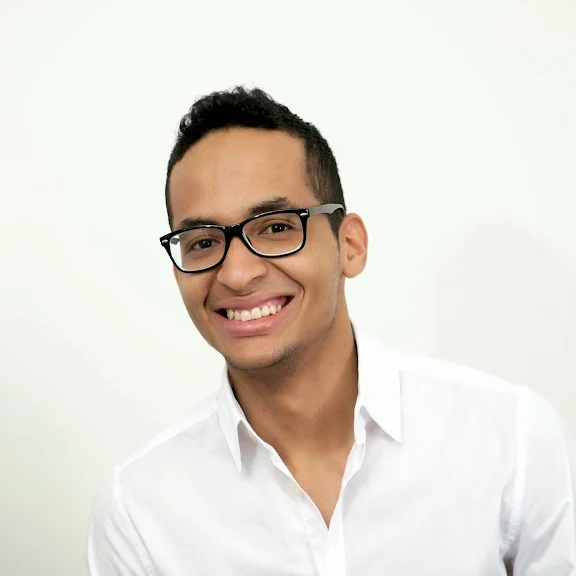
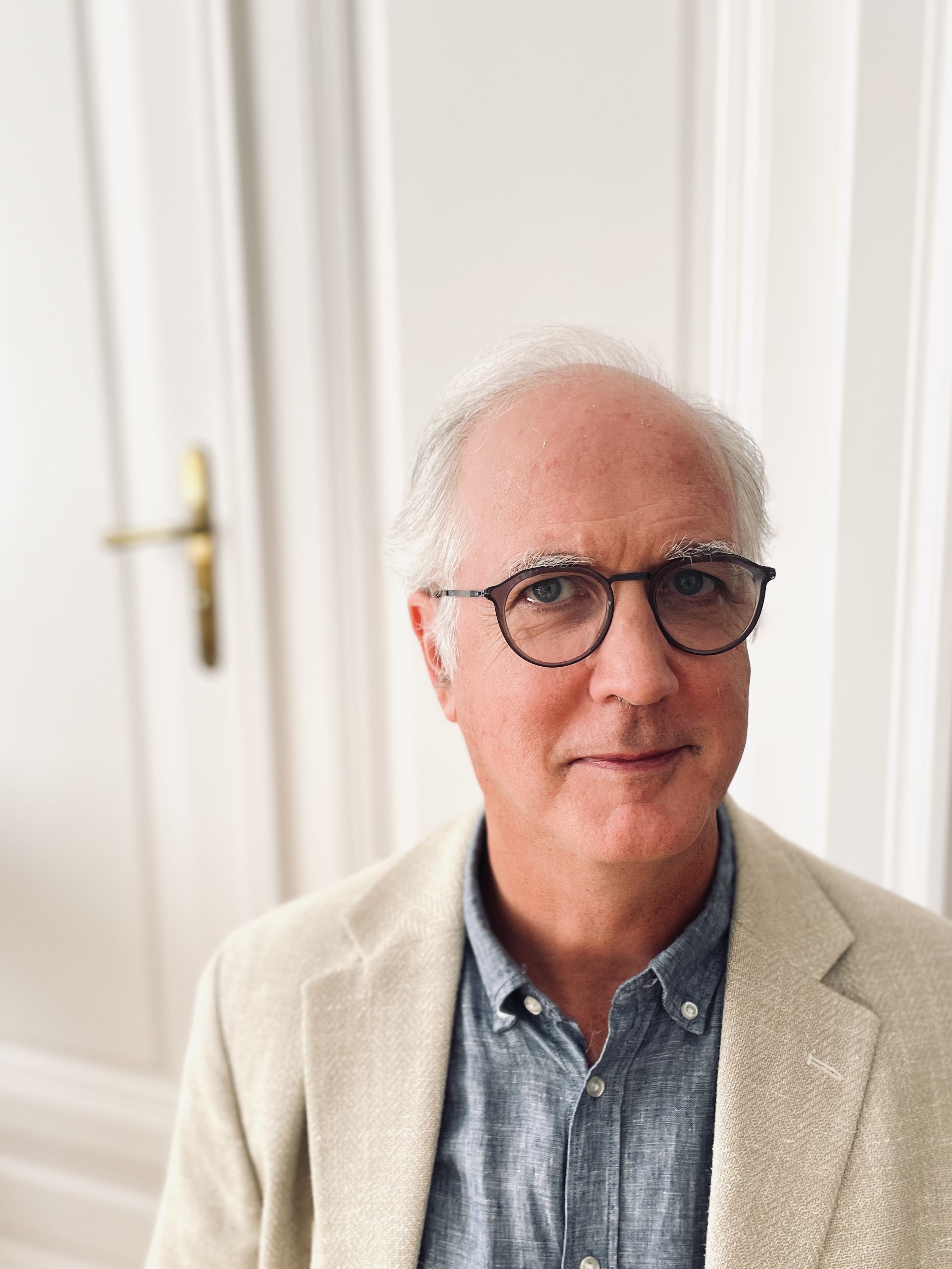
Michael Shea
Co-founder of a circular economy startup developing infrastructure for DPP-enabled resale in the European textile sector, based in Berlin. Leading business development, regulatory strategy, and product design for a platform that enables verified resale through Digital Product Passports. The startup is incubated at ESCP Blue Factory.
French national with experience in business development and technology. Self-taught technical skills in product prototyping and data systems. Previous experience includes roles in consulting and business analysis.
Beyond this project: Active in the European circular economy ecosystem. Relocating to Paris in May 2026 to continue building at the intersection of sustainability regulation and commerce technology.
My fellowship addresses three critical gaps in the European AI standardization landscape: The first gap concerns the harmonisation of Documentation Development, as there is an urgent need for technical documentation (Annex ZA, HAS checklists) to connect developing standards with AI Act requirements following the M/593 request. Without this work, standards risk delayed OJEU citation, creating regulatory uncertainty. I've worked on developing preliminary harmonization documents for JT021008 (Trustworthiness), JT021039 (QMS), and JT021024 (Risk Management). The second gap is related to cross-Standard Technical Coherence. As multiple AI standards are developed simultaneously, it creates potential inconsistencies in terminology, requirements, and implementation approaches. I've created mapping documents highlighting interconnections between standards, particularly focusing on how QMS requirements interface with other M/593 standards, to ensure a coherent framework. The third gap focuses on the alignment with EU AI Act Articles, as technical specifications in draft standards must precisely align with AI Act articles to support regulatory compliance. I have contributed targeted technical refinements to clauses 6.4 (transparency) and 6.5 (human oversight) in the Trustworthiness Framework to strengthen alignment with Articles 13 and 14 of the AI Act.
This fellowship supports my engagement in ISO/IEC JTC 1 ‘Information technology’ is not on a working level (such as a contributor to specific standards) but on a strategic level.
One of the main gaps that I am tackling with this activity is that many important standards are published only as PDF, without global identifiers (URLs) that can be used in requirements and test management, and without technical artefacts like datasets, schemas, test cases.
My fellowship focuses on developing use cases for Blockchain and Distributed Ledger Technology. ISO AWI 24878 builds upon standards development work in ISO 3242:2022, ISO 6039:2023 and ISO 6277:2024. A journey of discovery is underway to identify emerging application domains and novel business applications for blockchain and DLT internationally.
The work I am leading in European Standardisation through the CEN and CENELEC JTC 21 WG 2, answers directly the main operational pillars of the Standardisation request received from the European Commission as to provide technical specifications through standards (candidate for harmonization) in support of the EU AI Act.
In this fellowship, the main priority focuses on helping organisations to drive innovation and technological transformation using the Centre of Excellence (CoE) as the best management mechanism in a context of a shortage of professional profiles with expertise in Artificial Intelligence and other disruptive technologies.
My work to date has been seeking to promote trustworthiness through fundamental rights protections in European harmonised technical standards concerning AI, in particular JTC21.
Artificial Intelligence (AI) is a key component of the Rolling Plan for ICT standardisation, supporting the European Commission’s Standardisation Request issued to back the AI Act. My contribution is aligned with the objectives of the AI Key Enablers, particularly in the areas of Cybersecurity in AI and the Data Economy.