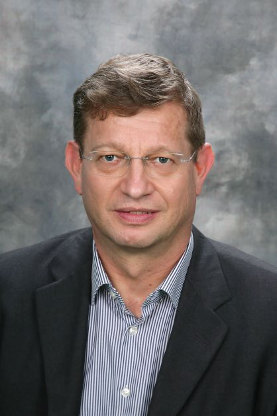
Sergi Udina
Description of Activities
Regarding CEN/TC264/WG41, we are making hasty progress to a draft document early 2026 with the aim to issue a standard.
Fellow's country
Open Call Topics
Impact on SMEs (9th Open Call)
There are many European SMEs trying to tackle the challenge of air quality in different ways and environments. In general, SMEs have a harder time generating trust than large companies due to fewer resources in communication, the availability of reliable protocols, metrics and institutions to establish the quality of sensor systems is paramount to aid SMEs in building trust in their products. The trust wheel starts spinning with good protocols and standards, and this is what this work aims to do in both aspects for air pollutants and olfactory nuisances.
Impact on society (6th Open Call)
This activity contributes to the several societal changes, icnluding:
Improved evidence-based policy making by ensuring sensor data reliability.
Environmental awareness as a motor for environmental behaviour change by making air quality measurements affordable to a larger community.
At a large scale, healthier living in cities by improving the common awareness of the air quality of cities and possible mitigation actions.
More sustainable industrial activity by improving the knowledge about generated pollution and odour nuisances.
Improved data availability for scientific models, early warning and forecasting by ensuring larger availability with lower cost systems, with sufficient data quality and accuracy.
The possibility to enforce effective compliance regarding odorous emissions with improved, cost-effective methods.
Improved evidence-based policy making by ensuring sensor data reliability.
Environmental awareness as a motor for environmental behaviour change by making air quality measurements affordable to a larger community.
At a large scale, healthier living in cities by improving the common awareness of the air quality of cities and possible mitigation actions.
More sustainable industrial activity by improving the knowledge about generated pollution and odour nuisances.
Improved data availability for scientific models, early warning and forecasting by ensuring larger availability with lower cost systems, with sufficient data quality and accuracy.
The possibility to enforce effective compliance regarding odorous emissions with improved, cost-effective methods.
Impact on society (8th Open Call)
This standardisation effort on air quality has several societal key impacts, including:
Improved evidence-based policy making by ensuring sensor data reliability.
Environmental awareness as a motor for environmental behaviour change by making air quality measurements affordable to a larger community.
At a large scale, healthier living in cities by improving the common awareness of the air quality of cities and possible mitigation actions.
More sustainable industrial activity by improving the knowledge about generated pollution and odour nuisances.
Improved data availability for scientific models, early warning and forecasting by ensuring larger availability with lower cost systems, with sufficient data quality and accuracy.
The possibility to enforce effective compliance regarding odorous emissions with improved, cost-effective methods.
Improved evidence-based policy making by ensuring sensor data reliability.
Environmental awareness as a motor for environmental behaviour change by making air quality measurements affordable to a larger community.
At a large scale, healthier living in cities by improving the common awareness of the air quality of cities and possible mitigation actions.
More sustainable industrial activity by improving the knowledge about generated pollution and odour nuisances.
Improved data availability for scientific models, early warning and forecasting by ensuring larger availability with lower cost systems, with sufficient data quality and accuracy.
The possibility to enforce effective compliance regarding odorous emissions with improved, cost-effective methods.
Impact on society (9th Open Call)
These targeted standards enable improved evidence-based policy making by ensuring sensor data reliability. Environmental awareness as a motor for environmental behaviour change by making air quality measurements affordable to a larger community. At a large scale, healthier living in cities by improving the common awareness of the air quality of cities and possible mitigation actions.
Also, these standards prone more sustainable industrial activity by improving the knowledge about generated pollution and odour nuisances. On the other hand improved data availability for scientific models, early warning and forecasting, contribute to larger availability with lower cost systems, with sufficient data quality and accuracy.
Also, these standards prone more sustainable industrial activity by improving the knowledge about generated pollution and odour nuisances. On the other hand improved data availability for scientific models, early warning and forecasting, contribute to larger availability with lower cost systems, with sufficient data quality and accuracy.
Linkedin Profile
Organisation type
Organization
Bettair Cities
Portrait Picture

Proposal Title (6th Open Call)
Contributions to QA/QC Standards for Air Quality Monitoring within CEN/TC264 Working Groups
Proposal Title (8th Open Call)
Towards standardization of air quality sensor systems
Proposal Title (9th Open Call)
Towards standardisation of air quality sensor systems
Standards Development Organisation
StandICT.eu Year
2026
Year
Topic (6th Open Call)
Topic (9th Open Call)