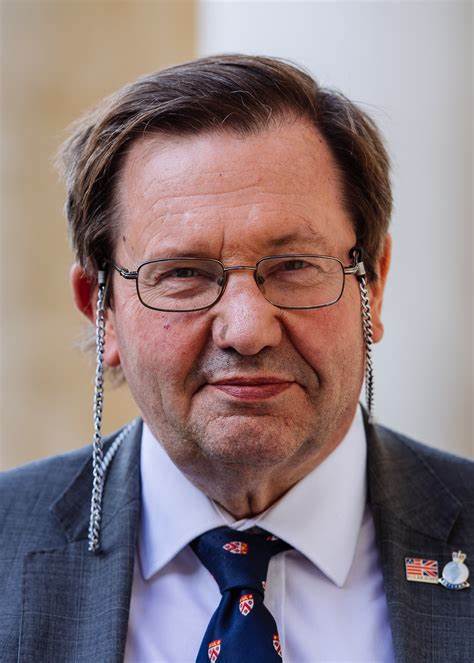
Patricia Shaw
Description of Activities
My work to date has been seeking to promote trustworthiness through fundamental rights protections in European harmonised technical standards concerning AI, in particular JTC21.
Fellow's country
Open Call Topics
Impact on SMEs (5th Open Call)
AI Providers both large and small need to do due diligence in relation to risks to fundamental rights. Assessment of those risks and risk controls will be pertinent to organisations of all sizes. High risk AI systems have the potential to result in impacts at scale, irrespective of the size of the organisation that puts it on the market or puts it into service.
Impact on SMEs (7th Open Call)
AI Providers both large and small need to do due diligence in relation to risks to fundamental rights. Assessment of those risks and risk controls will be pertinent to organisations of all sizes. High risk AI systems have the potential to result in impacts at scale, irrespective of the size of the organisation that put it on the market or puts it into service.
Impact on society (5th Open Call)
This activity will contribute to making European and International AI standards that protects against unintended foreseeable risks to equality and fundamental rights and intentionally designs for the enhancement of equality and fundamental rights. Also, it supports increasing understanding and awareness of the impact of AI on affected individuals and groups in respect of their equality and fundamental rights with technology companies, national standards bodies, and notified bodies
Impact on society (7th Open Call)
This work is still undergoing and it is essential for building public trust and ensuring responsible AI adoption across Europe. The standards will provide clear direction and methodology for industry stakeholders to integrate fundamental rights protections throughout their AI development and deployment processes.The outcome will be technical standards that enable systematic identification, evaluation, and mitigation of fundamental rights risks, supporting the broader objectives of the EU AI Act while promoting innovation within a fundamental rights framework approach.
Linkedin Profile
Organisation type
Organization
AI and Data Ethics Legal, and Policy Consultant, Beyond Reach Consulting Limited
Organization website
Portrait Picture

Proposal Title (5th Open Call)
Promote AI trustworthiness through fundamental rights protections in EU / International AI Standards
Proposal Title (7th Open Call)
Validating fundamental rights protections in EU / International AI standards for promoting trust
Read more
Standards Development Organisation
StandICT.eu Year
2026
Year
Topic (5th Open Call)
Topic (7th Open Call)