2026

Available (25)

Showing 13 - 24 per page


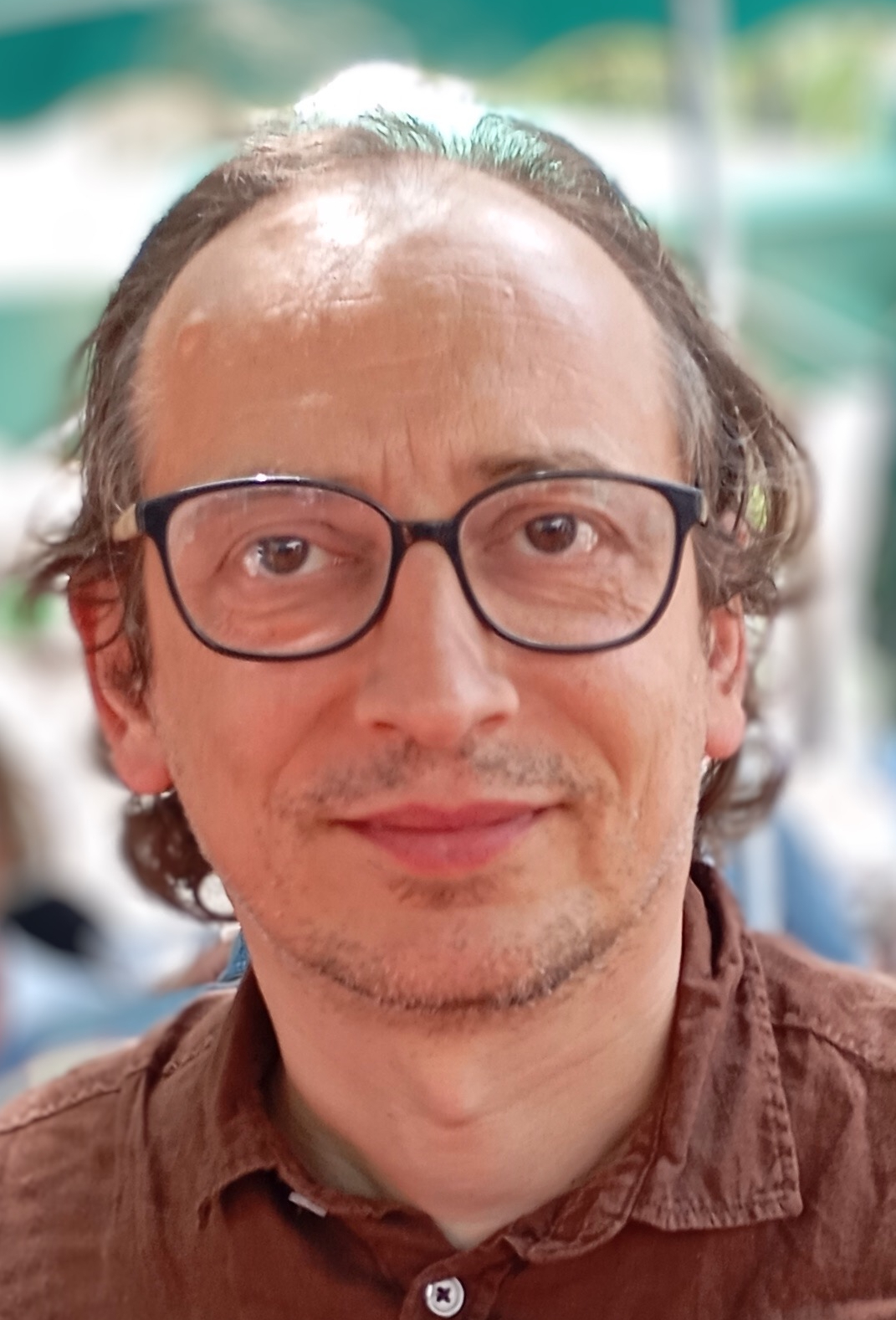
Artem Boryskin

Country
France
Fellow's country
Open Call Topics
Open Call
Organisation type
Organization
WAVELIS SAS
Portrait Picture
Artem
Standards Development Organisation
Topic
5G and beyond
StandICT.eu Year
2029
Year

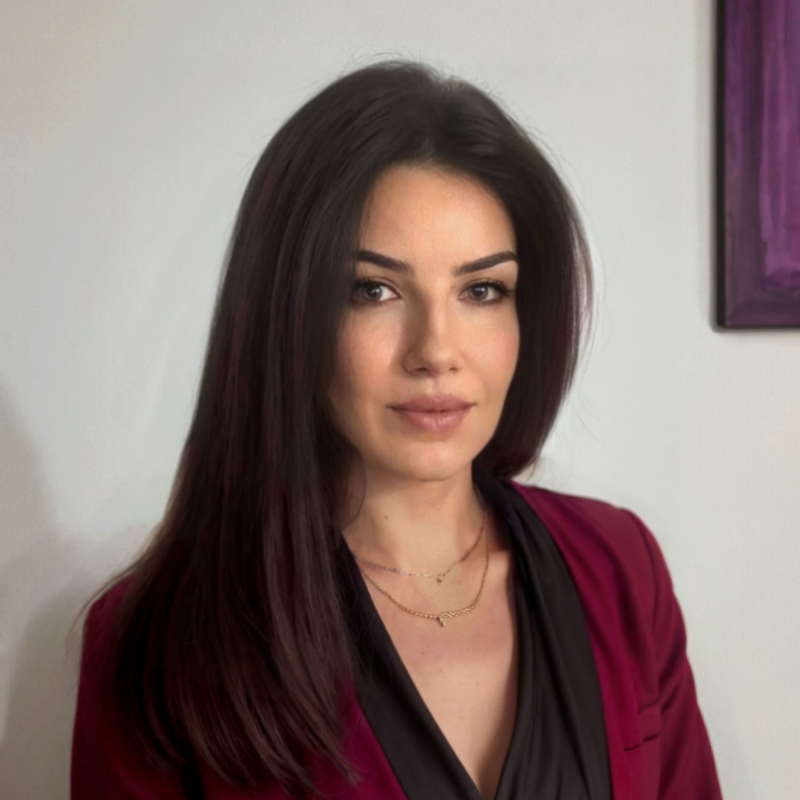
Olvis Enrique Gil Ríos

Country
Austria
Fellow's country
Open Call
Organisation type
Organization
OG Technologies EU
Portrait Picture
Olvis
Standards Development Organisation
StandICT.eu Year
2029
Year

Michael Shea

Country
Austria
Fellow's country
Open Call
Organisation type
Organization
Michael Shea EPU
Portrait Picture
Michael
Role in SDO
Standards Development Organisation
StandICT.eu Year
2029
Year

Burkhard Zimmermann

Description of Activities

Leading IEC SC62 D JWG 36 and support IEC SC62A JWG 9 as an expert

Country
Switzerland
Fellow's country
Open Call
Organisation type
Organization
Congenius AG
Portrait Picture
Burkhard
Proposal Title
Leading IEC SC62 D JWG 36 and support IEC SC62A JWG 9 as an expert
Role in SDO
Standards Development Organisation
Topic
Robotics
StandICT.eu Year
2029
Year

Paul Lesbre

Description of Activities

Co-founder of a circular economy startup developing infrastructure for DPP-enabled resale in the European textile sector, based in Berlin. Leading business development, regulatory strategy, and product design for a platform that enables verified resale through Digital Product Passports. The startup is incubated at ESCP Blue Factory.

French national with experience in business development and technology. Self-taught technical skills in product prototyping and data systems. Previous experience includes roles in consulting and business analysis.

Beyond this project: Active in the European circular economy ecosystem. Relocating to Paris in May 2026 to continue building at the intersection of sustainability regulation and commerce technology.


Country
France
Fellow's country
Open Call
Organisation type
Organization
Realign
Portrait Picture
Paul
Standards Development Organisation
StandICT.eu Year
2029
Year

Daniel Waszkiewicz

Description of Activities

My work aims to develop robust frameworks for the verification of cryptographic protocols within the security of ICT products, services, and processes, thereby enhancing resilience against cyber threats.

Fellow's country
Impact on SMEs (4th Open Call)
Ensuring that protocols are rigorously verified according to standardised methodologies could, at least partly, lower the financial barriers for SMEs to enter the certification market, as the consistent and reliable verification of protocols would streamline the certification of more complex systems.
Impact on SMEs (5th Open Call)
By implementing rigorous, standardized verification methods, the overall efficiency of the certification process would improve. This would, to some extent, lower financial entry barriers for SMEs in the certification market, as consistent and dependable protocol verification would simplify the certification of more intricate systems.
Impact on SMEs (6th Open Call)
A unified approach to the verification of cryptographic protocols within cybersecurity certification schemes could significantly reduce the costs and workload associated with certifying composite products or services. By ensuring that protocols are rigorously verified using standardized methodologies, the overall efficiency of the certification process would improve. This could, at least in part, lower the financial barriers for SMEs to enter the certification market, as consistent and reliable verification of protocols would streamline the certification of more complex systems.
Impact on SMEs (7th Open Call)
A unified approach to the verification of cryptographic protocols within cybersecurity certification schemes could significantly reduce the costs and workload associated with certifying composite products or services. By ensuring that protocols are rigorously verified using standardized methodologies, the overall efficiency of the certification process would improve. This could, at least in part, lower the financial barriers for SMEs to enter the certification market, as consistent and reliable verification of protocols would streamline the certification of more complex systems.
Impact on society (4th Open Call)
My work is centred on creating robust frameworks for verifying cryptographic protocols within ICT products, services, and processes, ultimately strengthening resilience against cyber threats.
Impact on society (5th Open Call)
In the broader European context, my fellowship is poised to have a significant impact on cybersecurity practices, aligning with the objectives set forth by the Cybersecurity Act (CSA) and advancing European interests in bolstering digital security.
Impact on society (6th Open Call)
My primary focus is on developing standardized verification methodologies for cryptographic protocols, which play a key role in enhancing cybersecurity practices across Europe. I am working on creating robust frameworks for verifying these protocols within ICT products, services, and processes, ultimately contributing to greater resilience against cyber threats.
The Cybersecurity Act (CSA) promotes the use of certification as an effective cybersecurity tool that can be applied consistently across Member States without creating unnecessary administrative burdens. Previously, products or services certified in one country often had to undergo similar procedures again when different national requirements were in place.
With the introduction of the European Cybersecurity Certification (EUCC) scheme, however, certificates issued under this framework will be legally recognized across all Member States once the corresponding Implementing Act is in force. This harmonization is essential for reducing duplicated efforts, saving time and resources, and ensuring consistent cybersecurity standards throughout Europe.
Impact on society (7th Open Call)
My primary focus is on developing standardized verification methodologies for cryptographic protocols, which play a key role in enhancing cybersecurity practices across Europe. I am working on creating robust frameworks for verifying these protocols within ICT products, services, and processes, ultimately contributing to greater resilience against cyber threats.
The Cybersecurity Act (CSA) promotes the use of certification as an effective cybersecurity tool that can be applied consistently across Member States without creating unnecessary administrative burdens. Previously, products or services certified in one country often had to undergo similar procedures again when different national requirements were in place.
With the introduction of the European Cybersecurity Certification (EUCC) scheme, however, certificates issued under this framework will be legally recognized across all Member States once the corresponding Implementing Act is in force. This harmonization is essential for reducing duplicated efforts, saving time and resources, and ensuring consistent cybersecurity standards throughout Europe.
Organisation type
Organization
Cryptography specialist, National Institute of Telecommunications
Portrait Picture
wasz
Proposal Title (4th Open Call)
Developing ISO/IEC 29128 parts 2 and 3
Proposal Title (5th Open Call)
Progressing ISO/IEC 29128 parts 2 and 3
Proposal Title (6th Open Call)
Advancing ISO/IEC 29128 parts 2 and 3
Proposal Title (7th Open Call)
Advancing ISO/IEC 29128 parts 2 and 3
Standards Development Organisation
StandICT.eu Year
2026
2029
Year